FOR ISLAND COMMUNITIES / To island local governments
In normal times, a base for relocation and tourism. In an emergency, shelter and temporary housing.
Housing where a single investment does two jobs.
Materials alone are fine to start with. We welcome information gathering well before any concrete decision.
The difficulties islands have taken for granted
Housing and disaster-preparedness problems that arise precisely because you are away from the main island.
Let us put each of them into words first.
Everything depends on ferries from the main island. Waiting for materials pushes the schedule back, bit by bit.
Rough seas mean no boats. Every typhoon halts work on site, and the completion date becomes impossible to predict.
The few days before support arrives from the main island. There are not enough places on the island where people can take shelter.
Even when you want to welcome new residents, housing ready to live in is scarce. Vacant homes exist, but often cannot be used as they are.
The core answer
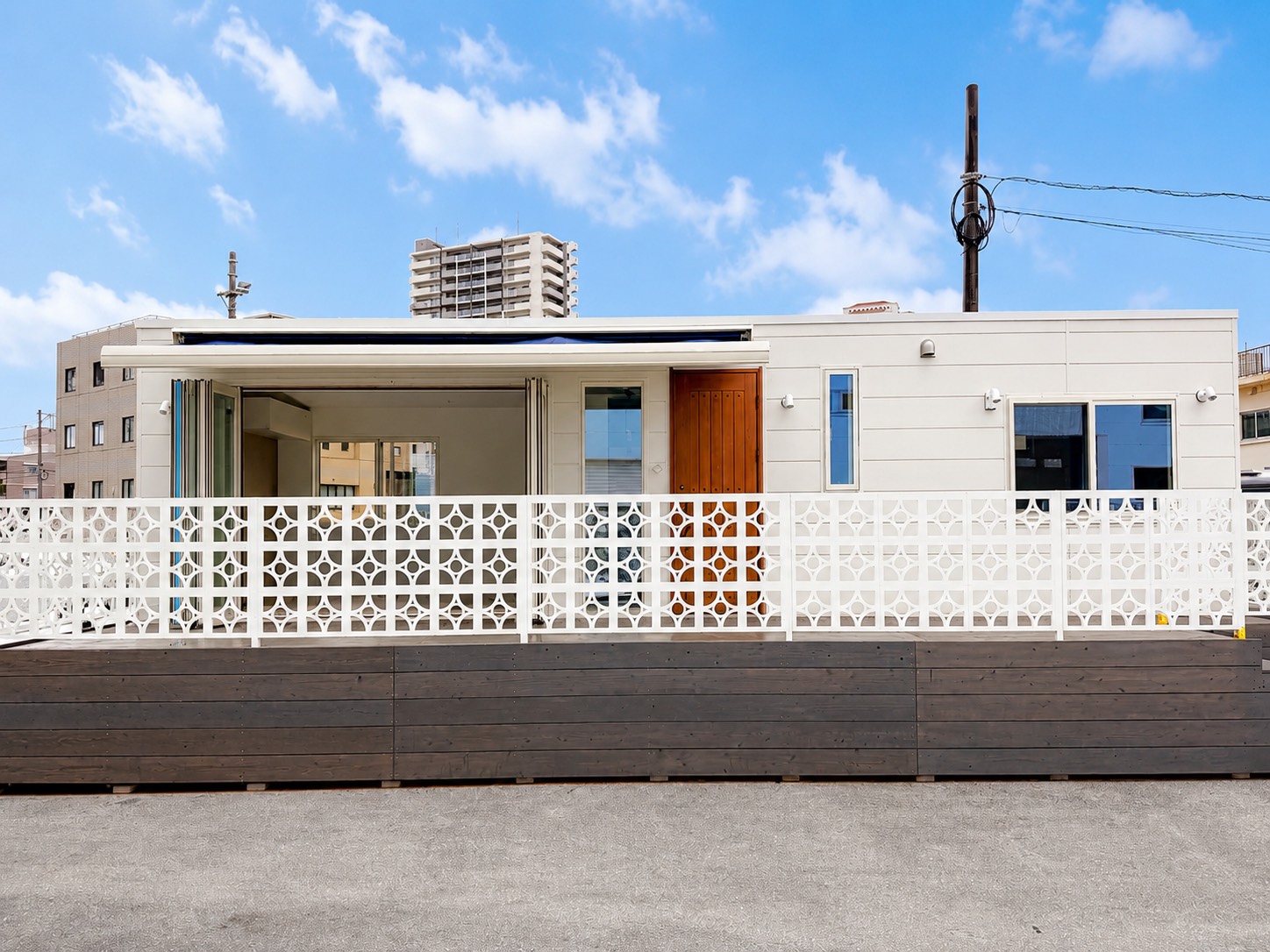
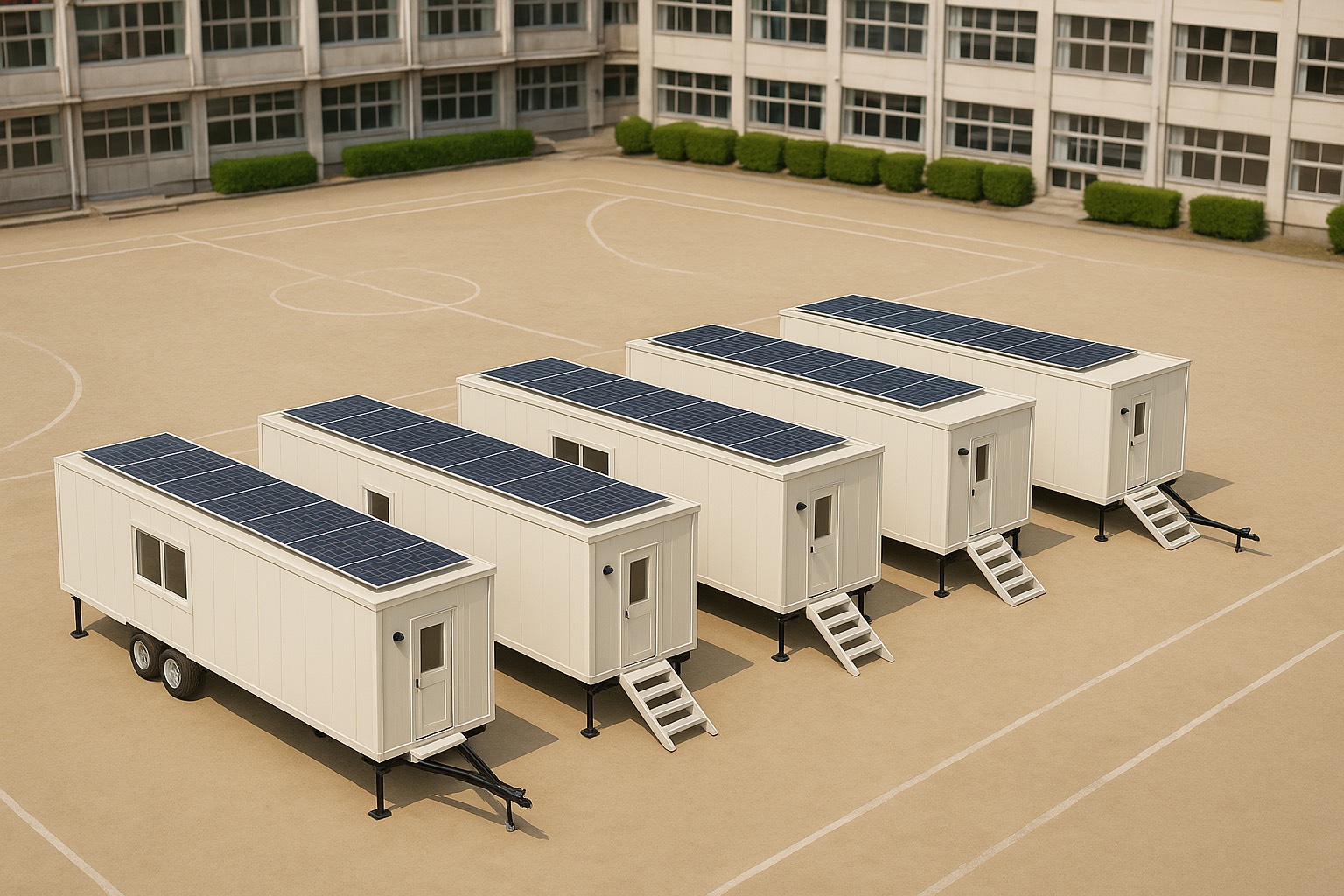
Rather than building a home from scratch on site, we finish it at the factory, ship it to the island and set it in place.
That makes the schedule far less vulnerable to island weather and labor availability.
Produced indoors, out of the weather, with quality kept under control.
The finished home is transported, keeping on-site work to a minimum.
Set it in place and living or operations can begin.
(We advise on the likely period from installation to first use individually, according to site conditions.)
One investment that works twice
Normally it works for the community; when it matters, it protects lives.
One and the same unit carries both roles.
It operates as housing for new residents, or as a base for tourism and exchange. It welcomes people and generates both footfall and revenue for the community.
In a disaster it can be turned over to shelter or temporary housing. Until help arrives from the main island, it becomes a place on the island where people can take refuge.
Because it is in use day to day,
it never becomes a public asset that sits there unused.
To explain it to your council or superiors
We have organized the talking points so you can use them directly in an internal approval process or a council session.
Because the facility is in regular use, it is less likely to draw criticism for sitting unused, and easier to justify on cost-effectiveness.
If demand or circumstances change, you can move it. Rather than a one-off investment, it keeps earning its keep over time.
It is easy to frame as part of relocation, settlement or community-building initiatives, which makes the purpose easier to explain.
* Final decisions on budget line items and project classification rest with each local government's own rules and practice. We help you prepare explanatory materials and organize the arguments. We do not offer definitive guidance on this point.
Our work with local governments and in disaster preparedness
This is what we ourselves have built up in the field of public disaster preparedness.
To the question “can this company be trusted?”, we answer with facts.
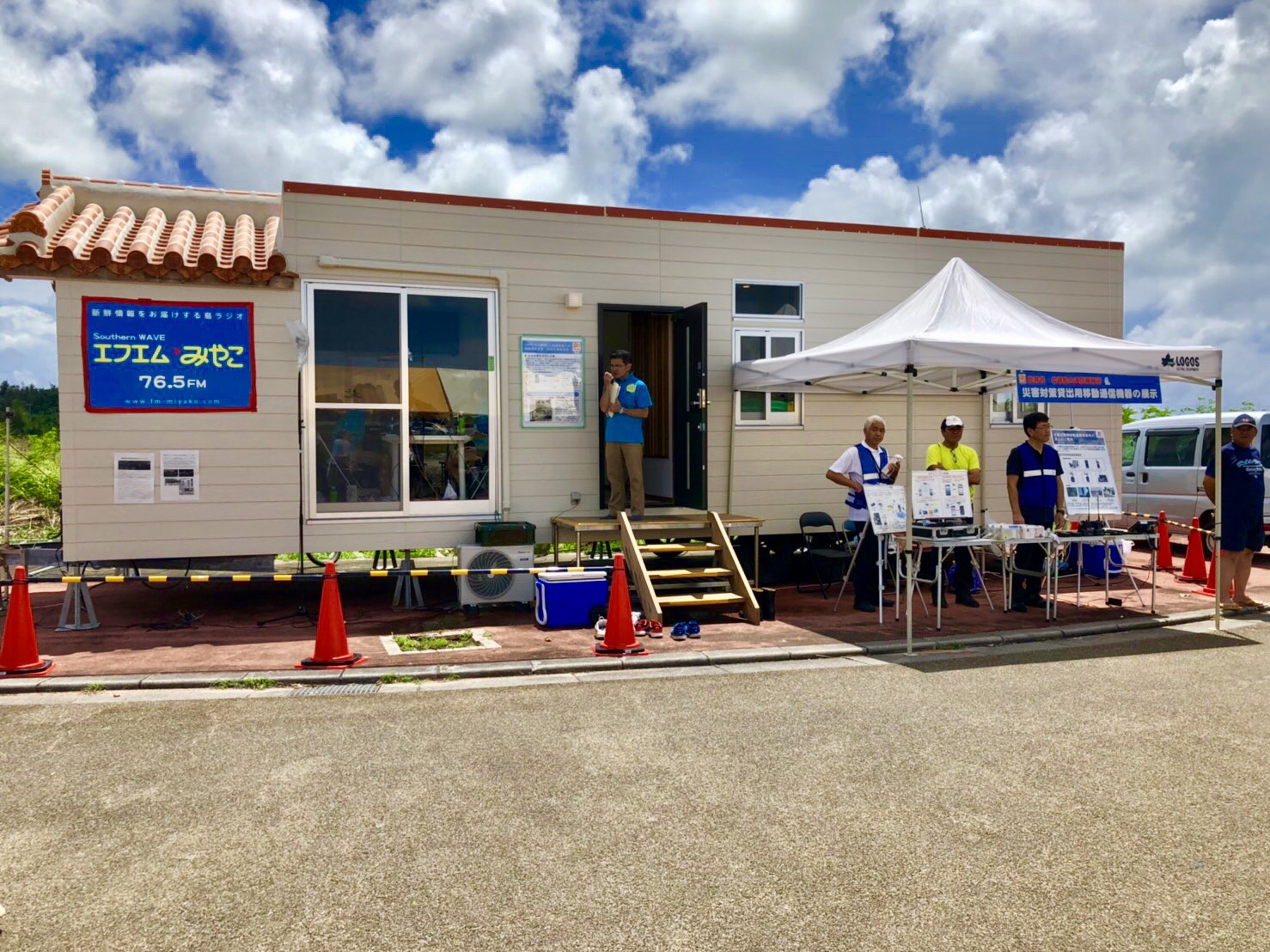
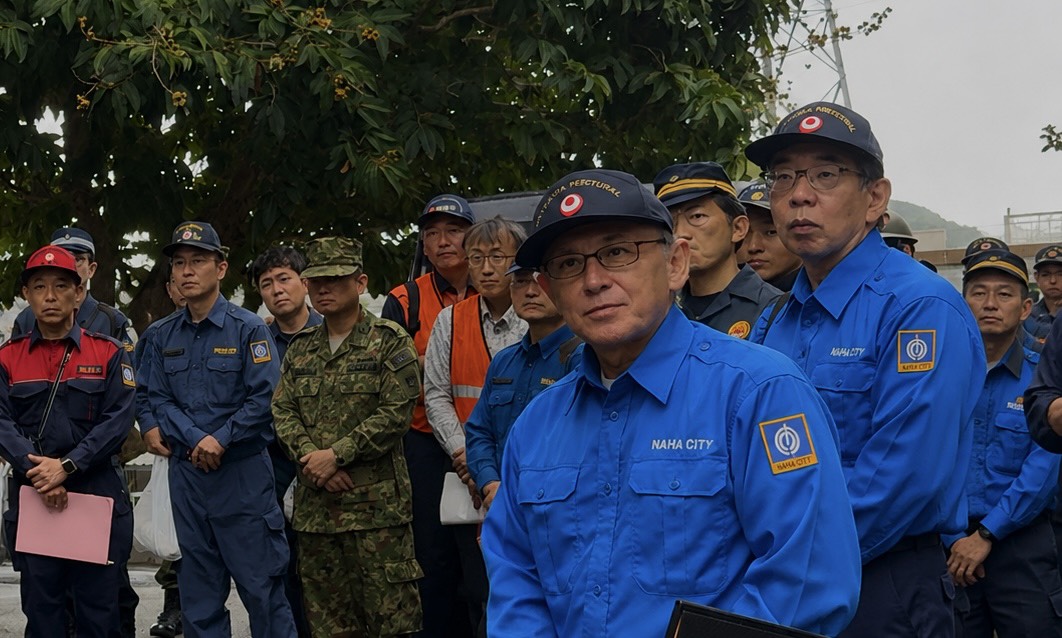
In September 2019 we joined a disaster drill held on Miyakojima. Looking ahead to disaster response on remote islands, we have been testing the potential of housing that can be delivered and installed, in the field, from early on.*The specific role played in the drill will be published once confirmed.
We took part as a cooperating company in a disaster drill run by a local government, explaining the role that deliverable, installable housing can play in everyday preparedness.*The specific role played in the drill will be published once confirmed.
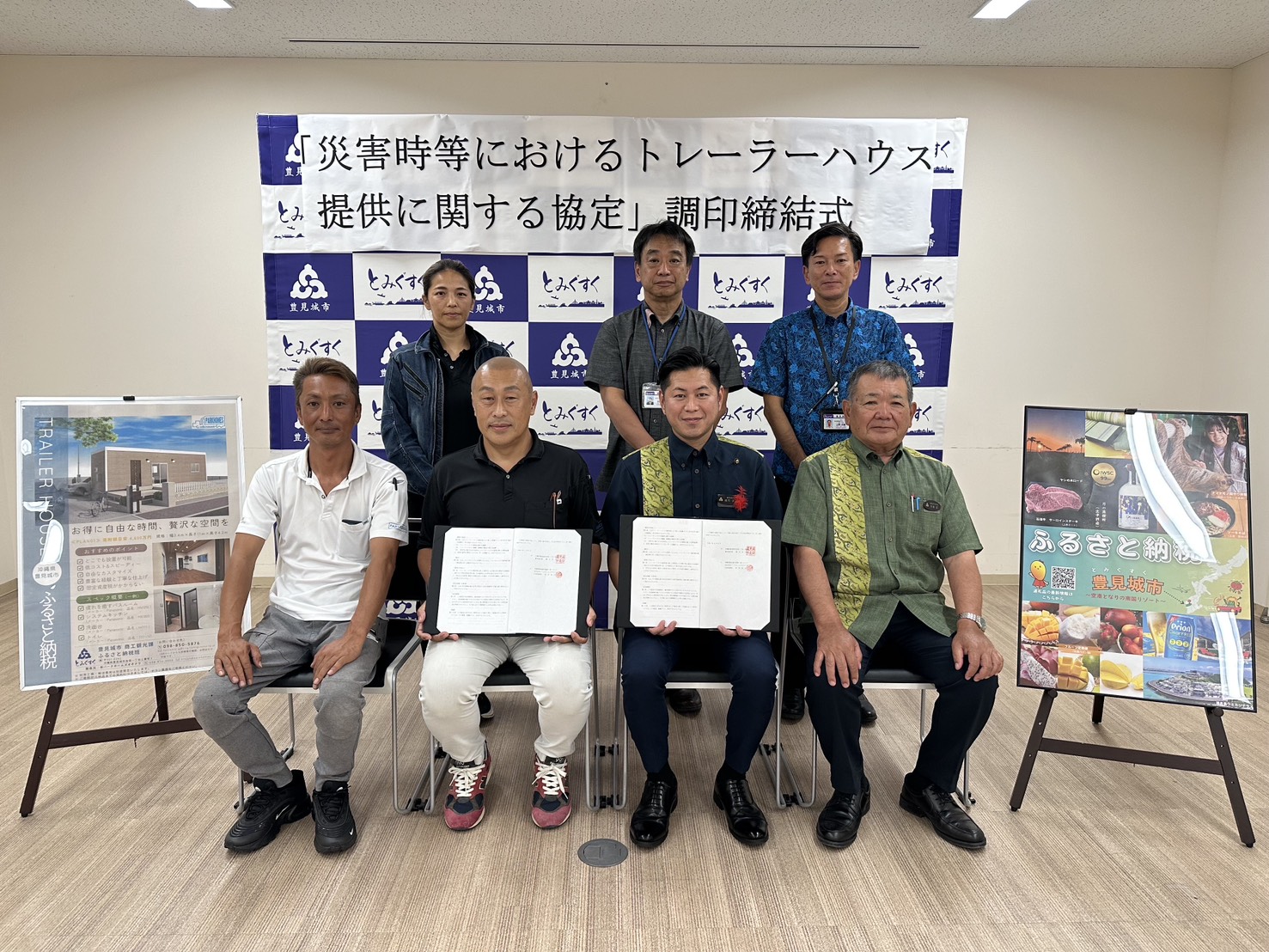
We have signed an agreement on housing supply in a disaster with a local government on the main island, working from peacetime to build the capacity to deliver housing when it counts.*The formal title of the agreement and the counterparty will be published once confirmed.
A mobile facility built on a trailer body was deployed in society for the first time in Japan in a form that operates even in harsh environments — disaster areas, remote islands, mountainous terrain. Delivered, installed and working on site: proof of both the technology and the disaster-response capability.
Signing agreements, working at drills, building a first-in-Japan record.
We are not a company that builds and walks away — we have engaged with the practical work of disaster preparedness.
Frequently asked questions
Contact Us
Precisely because it is a remote island, housing that works twice.
Please feel free to request the materials, even just to read.
Based on what you send us, someone from our team will be in touch about sending materials or arranging a discussion.
Information gathering ahead of any concrete decision is welcome too.